
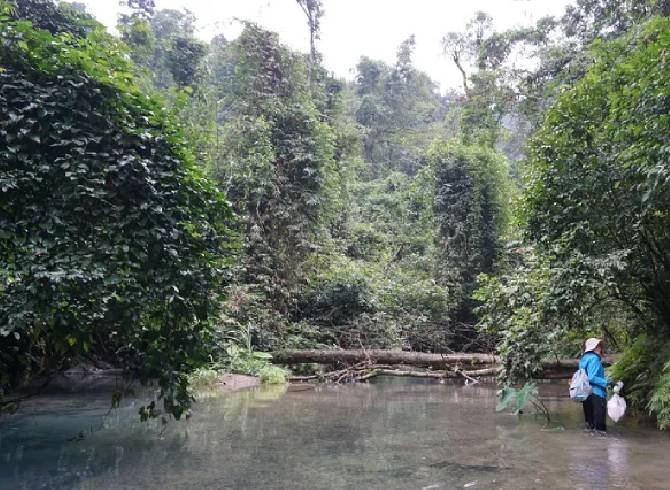

Embracing Post‑Retirement Bliss in India: How to Make the Most of Your Vacation
Post‑retirement travel in India is a wonderful chance to explore at a relaxed pace, reconnect with culture, enjoy nature and focus on wellbeing. This India‑focused guide offers practical tips for comfortable, meaningful vacations—covering planning, health, transport and sample itineraries suited to retirees. Useful official resources: Incredible India (Ministry of Tourism), MEA travel advisories (Ministry of External Affairs), Ministry of Health & Family Welfare, and IRDAI (Insurance regulator).
Jump to:
What it is •
Types •
Core features •
Benefits •
Who it’s for •
Things to consider •
Packing & planning tips •
Sample itineraries •
India resources •
Wrap-up
What is post‑retirement bliss (India edition)?
In the Indian context, post‑retirement bliss means travel that values comfort, accessibility and cultural depth. It favors slower travel—staying longer in fewer places, using trains or short flights to reduce transfers, enjoying regional food and arts, and including health‑focused options like Ayurveda or gentle treks with adequate rest.
Types of post‑retirement vacations in India
- Slow / immersive stays: Rent an apartment in a heritage city (e.g., Udaipur, Pondicherry, Fort Kochi) for local living.
- Wellness & Ayurveda: Kerala or trusted yoga centres (Rishikesh) for supervised programs.
- Heritage & culture: Rajasthan, temple circuits in Tamil Nadu or cultural tours in Kolkata and Varanasi with relaxed pacing.
- Hill retreats: Shimla, Mussoorie, Darjeeling, Ooty, Kodaikanal or Himachal valleys for cooler climates and gentle walks.
- Coastal & backwater relaxation: Kerala houseboats, Goa (quiet beaches), Konkan coast for seafood and slow days.
- Road trips / self‑drive: Coastal drives, Himachal loops or South Indian temple trails with short daily drives.
- Multi‑generational trips: Combine grandchildren‑friendly activities with adult downtime and accessible accommodations.
Core features of a blissful retirement vacation (India)
- Paced itineraries: 1 main activity + 1 light option per day, plus regular rest days.
- Comfort & accessibility: Prefer ground‑floor rooms, lifts, and minimal transfers; check hotel layouts beforehand.
- Health planning: Carry medicines, know nearby hospitals (especially in hill or remote areas) and buy suitable travel insurance.
- Local engagement: Moderate local experiences—guided heritage walks, cookery classes, village visits—rather than exhaustive sightseeing.
- Seasonal choices: Travel avoiding monsoon‑affected regions or extreme summer heat unless specifically seeking those seasons.
Benefits
- Relaxed travel pace improves rest and reduces strain.
- Deeper cultural connection—time to savour cuisine, arts and local conversations.
- Better value—off‑season rates, senior concessions and longer‑stay discounts.
- More time for health‑focused activities (Ayurveda, yoga, nature walks).
Who should consider this approach?
Retirees in India (or NRIs returning to India), caregivers seeking respite, and anyone over 50 who prefers comfort, slower exploration and meaningful engagement. Adapt based on mobility, chronic conditions and personal interests.
Things to consider before you go (India specifics)
- Health & medications: Pack a 2‑week extra supply of all prescriptions, keep medicines in original labelled containers, and carry a printed medication list (generic names, dosages). Ask your doctor about vaccinations recommended for India travel (e.g., tetanus, typhoid, hepatitis A where relevant).
- Travel insurance: Choose a policy sold in India that covers pre‑existing conditions and emergency evacuation; check IRDAI guidance at irdai.gov.in.
- Transport choices: Trains are comfortable for longer domestic travel—book AC classes and request senior berths; airlines often have special assistance—book wheelchair or mobility help in advance.
- Season & weather: Avoid monsoon in coastal/Western Ghats regions if you have mobility concerns; choose winters for Rajasthan, summers for hill stations.
- Accessibility: Check hotel accessibility (ramps, lifts), and confirm local transport options. Many operators on popular routes cater to seniors—ask for low‑impact itineraries.
- Documents & ID: Carry Aadhaar/Passport copies, health insurance cards and emergency contact info. Keep digital backups in secure cloud storage and a printed set in your bag.
- Money & payments: Many places accept cards and UPI, but carry some cash for smaller towns. Notify your bank if you’ll use foreign cards in India or vice versa.
Packing & planning tips (India edition)
Essentials to pack
- All medications + copies of prescriptions; a basic first‑aid kit with antiseptic, analgesics, antihistamine and ORS packets.
- Comfortable supportive footwear for uneven pavements and temple steps.
- Lightweight layers for fevers and cool evenings in hill stations; a light rain jacket in monsoon season.
- Sun protection—wide hat, sunglasses, high SPF sunscreen; mosquito repellent (important in many parts of India).
- Reusable water bottle and water purification tablets or a portable purifier—avoid unfiltered tap water in many areas.
- Power bank, travel adapter (India uses Type D/M), and printed hotel/route directions in local language where applicable.
- Copies of ID (Aadhaar/passport) and health insurance card; emergency contact list with local contacts.
Planning & booking tips
- Prefer AC trains (1A/2A/3A) for longer overnight journeys; book in advance on IRCTC.
- Book seats with extra legroom on flights or request special assistance at booking if mobility is a concern.
- Use reputable local travel agents for region‑specific bookings (Himachal, Ladakh, Northeast) and verify reviews.
- Choose refundable or flexible bookings and consider private transfers for shorter, less stressful journeys.
- Keep 1–2 unscheduled days in every week to rest or follow local recommendations.
- Use UPI for easy payments and keep a small amount of cash for rural purchases; inform your bank of any international travel plans in advance.
Sample India retirement‑friendly itineraries
1) Two‑week Kerala slow‑immersion (relax and rejuvenate)
- Base: Kochi/ Fort Kochi for 5–7 nights—gentle walks, Kathakali show, seafood and local markets.
- Houseboat stay in Alleppey (1–2 nights) with comfortable pacing—book an AC boat if needed.
- Munnar 3–4 nights—short tea‑estate walks and scenic viewpoints with easy drives between stops.
- Optional: 3‑day Ayurveda wellness program with medical consultation at a reputable centre.
2) One‑week Himalayan wellness + culture (Rishikesh & Dehradun)
- Base in Rishikesh for yoga classes, riverfront walks and gentle excursions to nearby ashrams.
- Include one guided short trek or forest walk in Rajaji National Park for birding and easy nature time.
- End with a relaxed day in Dehradun or Mussoorie with minimal transfers.
3) One‑month mixed road & heritage loop (Golden Triangle + Rajasthan, relaxed pacing)
- Start in Delhi (4–5 days): museums, simple day tours and one longer day to Agra (Taj Mahal booked early morning).
- Move to Jaipur (5–6 days): slow palace visits, heritage walks, and a sleepover in a comfortable haveli.
- Udaipur/ Jodhpur (6–8 days): leisurely boat rides, old‑city walks, and rest days between drives.
- End with 3–4 days at a quiet coastal or hill location to decompress before returning home.
Useful India resources
- Incredible India (Ministry of Tourism) — destination guides and certified operators.
- Ministry of External Affairs — consular & travel advisories.
- Ministry of Health & Family Welfare — health guidance and vaccination information.
- IRCTC / Indian Railways — book AC train travel and find senior concessions.
- IRDAI — regulator information for selecting travel insurance in India.
- National Health Portal — health tips and facility locators in India.
Wrapping up
Post‑retirement travel in India can be deeply rewarding when planned with comfort, health and local engagement in mind. Choose the right season, simplify transfers, use accessible transport and accommodations, and leave space for relaxation and serendipity. Small rituals—morning chai at a neighbourhood stall or an evening walk—add steady joy to any itinerary