

For many people, a home on the first, second or third floor has been perfectly comfortable for years. The stairs were simply part of everyday life. Over time, however, a change in health, stamina, balance or mobility can make the same staircase feel like a daily obstacle.
For an older adult, climbing stairs may mean thinking twice before going out, avoiding a bedroom upstairs or depending on someone else to carry groceries. A temporary injury or a long recovery can make the challenge even more immediate. Sometimes, the home itself starts limiting the life being lived inside it.
A residential home lift is one solution worth exploring. Depending on the home and the user’s needs, it can make different floors easier to access, reduce the effort involved in everyday movement and help people remain in familiar surroundings for longer.
When Stairs Become More Than an Inconvenience
The difficulty with stairs often develops gradually. Someone may initially need a little more time, then start holding the railing more firmly or taking breaks between floors. Eventually, ordinary activities such as going to bed, accessing a bathroom or leaving the house can require considerable planning.
The consequences are not only physical. A person who worries about falling may begin avoiding movement. Family members may become anxious about leaving an older parent alone at home. Rooms on upper floors may go unused, while everyday routines become increasingly dependent on other people.
This does not mean every person who finds stairs tiring needs a lift. It does mean the problem deserves attention before it unnecessarily restricts daily life. Improving lighting, installing secure handrails, rearranging frequently used rooms or considering a stair lift may help in some homes. In others, a residential elevator may be worth assessing.
How a Home Lift Can Improve Quality of Life
1. Keep the whole home usable
Many people have bedrooms, bathrooms, family spaces or storage areas on different floors. When stairs become difficult, they may gradually stop using parts of their own home. A suitable lift can make these spaces easier to reach and help preserve familiar routines.
2. Make everyday tasks less demanding
Carrying groceries, laundry or other household items while navigating stairs can be tiring and may increase the risk of losing balance. A lift can make movement between floors more convenient, although its permitted load and intended use must always be checked.
3. Support confidence and independence
Being able to move around one’s own home with less assistance can make a meaningful difference to dignity and confidence. The aim is not to remove every challenge associated with ageing, but to make the environment work better for the person living in it.
4. Help families plan ahead
A home lift may also be considered before a major mobility problem develops. Families planning to remain in a multi-storey house for many more years can explore accessibility improvements while they have time to compare options and assess the home properly.
What Types of Home Lifts Can You Consider?
Residential access solutions come in different designs. The right choice depends on the building, available space, number of floors, mobility needs and budget.
- Conventional residential elevators: These may suit homes where the layout and construction can accommodate the required lift installation.
- Compact, self-supporting lifts: Some models are designed to occupy a relatively small footprint and may require less conventional construction than a traditional elevator.
- Pneumatic or air-driven lifts: Certain designs use air-pressure technology to move the cabin. Their installation, capacity and travel limits vary by model.
- Stair lifts: These transport a seated user along a staircase and may be an option where a full lift is impractical.
- Wheelchair platform lifts: These are designed for specific accessibility needs, subject to the platform dimensions, travel height and installation requirements.
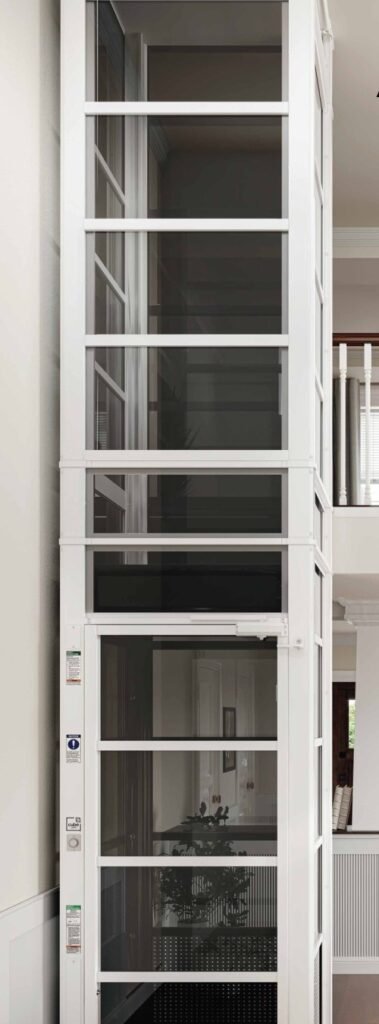
Some compact residential lifts are marketed for two- or three-storey homes and may not require the same conventional pit, shaft or machine-room arrangement as other systems. These are model-specific features, not guarantees that every lift will fit every house. Ask the supplier to explain precisely what construction work will be required.
Can a Home Lift Be Installed in an Existing House?
In some cases, yes. The feasibility depends on the layout and structure of the property, and a site visit is essential before choosing a model.
A qualified professional should assess:
- Available floor space and the location of the lift.
- Structural suitability and whether openings through floors are required.
- The number of stops and the total vertical travel.
- Door positions, entry and exit arrangements, and the needs of the intended user.
- Electrical requirements, emergency arrangements and ongoing maintenance access.
- Applicable building permissions, structural requirements and local safety rules.
Ask for a written installation plan rather than relying only on photographs or a general assurance that a lift is suitable. A design that works well in one home may not be appropriate for another.
Safety, Maintenance and Practical Questions to Ask
A lift is a long-term home installation, so convenience should never be the only consideration. Before making a decision, ask the supplier to explain the safety features and the arrangements for servicing and repairs.
- What is the rated capacity, and how many people can travel at once?
- What happens if the electricity supply fails while the lift is in use?
- What emergency release, communication or rescue arrangements are provided?
- What routine maintenance is required, and who will carry it out?
- Is local technical support available, and what does the warranty cover?
- Are spare parts and servicing likely to remain available over the expected life of the lift?
If wheelchair access is important, verify the usable cabin or platform dimensions, door width, turning space and entry arrangement. Not every residential lift accommodates a wheelchair, and residential lifts should not automatically be assumed to meet public-accessibility standards.
Installation timelines and construction requirements also differ. Get a written quotation that identifies the equipment, installation work, exclusions, maintenance costs and any additional building work that may be needed.
Is a Home Lift Worth the Investment?
The value of a lift cannot be judged by its purchase price alone. Consider how much of the home is currently difficult to access, how frequently the lift would be used and whether it could help the resident continue living comfortably in familiar surroundings.
Compare the total cost of installation and ongoing servicing with alternatives. These may include relocating essential activities to one floor, improving stair safety, installing a stair lift or adapting another part of the home. Each option solves a different problem, so the decision should be based on the individual’s needs rather than appearance or novelty.
It is also worth discussing the choice with the person who will use the lift. Their comfort, confidence, preferences and ability to use the controls safely should guide the decision.
Think of a Lift as Part of an Independent-Living Plan
A home lift can address one important barrier, but independent living involves much more than getting between floors. It may also involve access to healthcare, help with household tasks, social connection, emergency support and the ability to manage everyday activities safely.
GreySmiles’ Independent Living Test and assessment guide can help families think more broadly about independence and the areas where support or changes may be useful. You can also explore healthcare innovations changing life after 60 and our guide to care at home for an ageing parent.
These decisions are often easier when families discuss them before a crisis. Our articles on conversations with ageing parents and conversations with children about ageing can help open up those conversations.
A Simple Checklist Before You Decide
- Identify the floors and daily activities that have become difficult to access.
- Discuss the intended user’s mobility, comfort and future needs.
- Arrange a professional site assessment.
- Compare suitable lift types and alternatives.
- Confirm capacity, accessibility, safety systems and emergency arrangements.
- Obtain a complete quotation covering installation, permissions where applicable, maintenance and warranty.
- Verify the availability of local servicing and support.
Interested in Exploring a Home Lift?
A home lift is more than a convenience. For an older adult living in a multi-storey home, it can be a meaningful investment in independence, accessibility and quality of life.
Imagine being able to move between floors comfortably, continue using the rooms you love and remain in the home filled with your memories, without stairs becoming a daily obstacle.
It can also mean greater peace of mind for your family. When everyday movement becomes easier, you may need less help from your children for routine activities. This is not about never asking for help; it is about preserving your freedom to do more for yourself while staying connected to the people who care about you.
While installing a home lift involves an upfront cost, it may be a worthwhile long-term investment in making your existing home more accessible as your needs change with age. The right solution will depend on your home’s layout, space, budget and accessibility requirements.
If you are considering a home lift to improve accessibility, make everyday movement easier or help an older family member continue living independently, we invite you to explore your options.
Take the first step towards a more accessible home.
Please mention that your enquiry relates to home lifts so we can better understand your interest.
The GreySmiles Take: Make the Home Work for the Life You Want to Live
Stairs should not automatically determine how long someone can continue enjoying their home. For some households, a residential lift may be a practical way to improve access, convenience and independence. For others, a simpler adaptation may be enough.
The best decision begins with the person, not the product. Understand their needs, assess the home professionally and compare the safety, costs and long-term support available before choosing a solution.
This article is for general information only. Lift features and installation requirements vary by model and property. Seek qualified professional advice and confirm applicable building, structural and safety requirements before installation.




Start the conversation
Share a helpful experience, ask a thoughtful question, or add another perspective for fellow readers.